
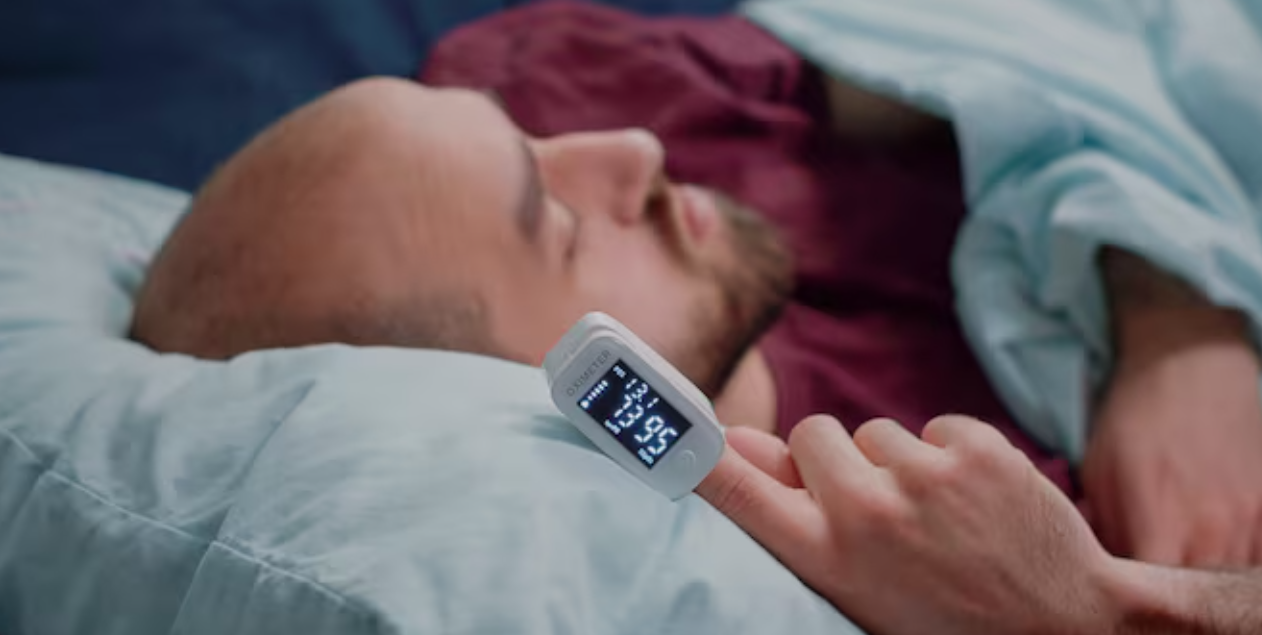
Finding a restful night of sleep while managing respiratory issues requires more than just medical intervention; it requires an environment tailored to physical support.
For many, the transition to a specialized sleep apnea bed can be the turning point in managing daytime fatigue and nighttime interruptions.
Selecting the right setup involves balancing technological features with personal comfort preferences to ensure the airway remains as clear as possible throughout the night.
Prioritizing Adjustable Base Functionality
The most critical factor in selecting a sleep apnea bed is the inclusion of an adjustable power base. Elevating the upper body, often referred to as the incline position, helps use gravity to prevent the soft tissues in the throat from collapsing.
This mechanical adjustment is a cornerstone of non-invasive support. When browsing options, look for bases that offer a Zero Gravity preset, which distributes weight evenly while keeping the head appropriately elevated to facilitate easier breathing.
Assessing Mattress Firmness and Material
The mattress itself must provide a delicate balance between pressure relief and structural integrity. A mattress that is too soft may cause the torso to sink, potentially misaligning the neck and exacerbating breathing obstructions.
Conversely, an overly firm surface can create pressure points that lead to tossing and turning. Many experts recommend a medium-firm hybrid or memory foam mattress for a sleep apnea bed to ensure the spine remains neutral while the sleeper stays in a secure, elevated position.
Compatibility with CPAP Therapy Equipment
For those who use Continuous Positive Airway Pressure (CPAP) machines, the bedside environment must be functional. Consider whether the bed frame or the surrounding furniture allows for the stable placement of the device and the clear routing of hoses.
Some modern sleep apnea bed designs include built-in USB ports or side pockets specifically designed to hold medical accessories. Ensuring that your mask hose does not get tangled in the bedding is essential for maintaining consistent air pressure throughout the night.
Temperature Regulation and Breathability
Sleep apnea is often associated with night sweats or internal heat regulation issues. Therefore, the cooling properties of the sleep surface are paramount. Look for mattresses infused with cooling gels or those featuring open-cell foam technology and breathable covers.
A cooler sleeping environment reduces the likelihood of restlessness, which in turn helps the sleeper remain in the optimal anti-apnea position for longer durations without waking up to adjust.
Edge Support and Ease of Access
Robust edge support is a frequently overlooked feature that significantly impacts comfort. For individuals who may have mobility challenges or those who need to sit on the edge of the bed to fit their CPAP mask, a reinforced perimeter is vital.
A high-quality sleep apnea bed should feel stable from the center to the very edge, preventing the roll-off sensation and making it easier to exit the bed in the morning without straining the back or neck.
Long-Term Durability and Warranty
Investing in specialized sleep equipment is a commitment to your long-term health, so the durability of the materials is a key consideration.
Check the density of the foam and the gauge of the coils to ensure the bed will not sag over time, as even minor indentations can ruin the alignment necessary for clear breathing.
A comprehensive warranty provides peace of mind that the mechanical components of the adjustable base and the integrity of the mattress will support your respiratory health for years to come.