
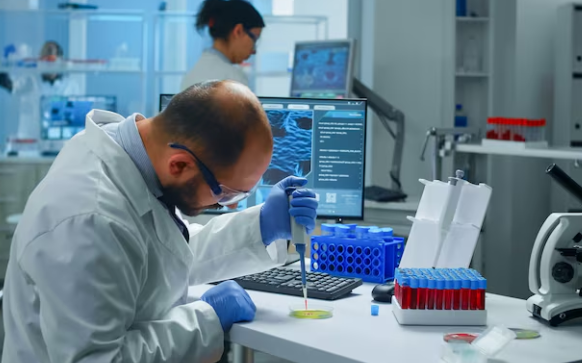
The management of chronic and non healing wounds is a significant challenge for modern healthcare providers, requiring precise identification of pathogens to avoid complications.
Traditional culture methods often fail to detect anaerobic bacteria or complex polymicrobial biofilms, leading to delayed treatments and increased patient discomfort.
A specialized wound PCR testing lab offers a transformative solution by utilizing molecular techniques to identify the genetic material of infectious agents. This advanced approach allows clinicians to move beyond trial and error prescribing toward a model of targeted antimicrobial therapy.
By providing highly specific data within a fraction of the time required by conventional labs, these facilities become an essential extension of the clinical team.
Achieving Rapid Turnaround Times for Critical Treatment Decisions
One of the primary ways a molecular laboratory supports a clinic is through the speed of its diagnostic process. Unlike traditional cultures that may take several days to show growth, wound pcr testing can identify multiple pathogens and resistance markers in less than twenty four hours.
This rapid delivery of results allows physicians to initiate the correct antibiotic or antifungal treatment almost immediately, preventing the spread of infection.
For patients with compromised immune systems or underlying conditions like diabetes, this speed is often the difference between a routine recovery and a severe medical crisis. Efficiency in the laboratory directly translates to improved patient outcomes in the examination room.
Improving Accuracy through the Detection of Biofilms and Anaerobes
Many chronic wounds are colonized by complex communities of microorganisms known as biofilms, which are notoriously difficult to capture using standard swabbing and culture techniques.
A dedicated wound PCR testing facility excels at detecting these hidden threats by amplifying the DNA of every organism present in the sample.
This includes slow growing anaerobes and fastidious bacteria that frequently escape detection in traditional hospital labs. By providing a complete microbial profile, the laboratory ensures that no underlying infection is left untreated.
This level of diagnostic depth is crucial for resolving persistent wounds that have failed to respond to previous standard interventions.
Identifying Antibiotic Resistance Markers for Targeted Therapy
The rise of multidrug resistant organisms has made the empirical prescribing of broad spectrum antibiotics increasingly risky and often ineffective.
Modern wound PCR testing panels include specific genetic markers that indicate whether a pathogen is resistant to common classes of antibiotics, such as methicillin or vancomycin.
This information empowers clinicians to practice better antibiotic stewardship by selecting the narrowest and most effective drug for the specific infection.
Avoiding the use of ineffective medications not only protects the patient from unnecessary side effects but also helps to combat the broader global issue of antimicrobial resistance. Precision in prescribing is a hallmark of a high performing medical practice.
Streamlining Clinical Workflows with Digital Result Integration
A professional molecular laboratory understands that the utility of a test is limited by how easily the data can be accessed and interpreted by the medical staff.
Most high quality labs now offer seamless integration with electronic health records and provide intuitive digital portals for reviewing patient histories.
Reports generated from wound PCR testing are typically structured to highlight the most clinically significant findings, including pathogen load and resistance profiles, in an easy to read format.
This reduces the administrative burden on nurses and physicians, allowing them to spend more time on direct patient care. Clear and organized reporting ensures that the most vital information is never overlooked during a busy shift.