
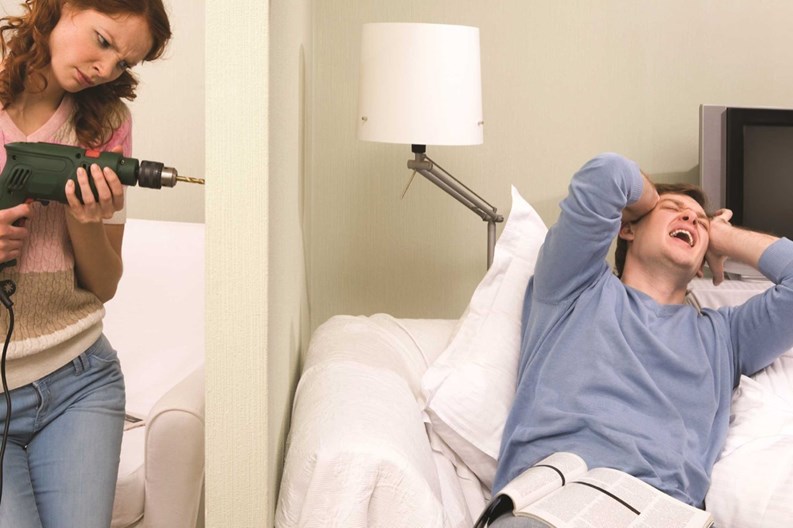
Neighbor noise can become exhausting when footsteps, music, parties, barking dogs, or late-night activity repeatedly interrupt sleep and daily routines. The best first response is usually calm documentation and respectful communication rather than an angry confrontation.
Addressing the problem early gives both sides a better chance to solve it before resentment takes over.
Identify the Actual Noise Pattern
Before complaining, determine what is happening and when. One loud evening is different from amplified music every night after midnight.
Keep brief notes showing dates, approximate times, duration, and the type of disturbance. This helps you explain the problem clearly instead of describing the neighbor as “always noisy.”
People following community-related stories may see disputes described dramatically, but most household noise problems are easier to address when the conversation stays specific and practical.
Consider Normal Living Sounds
Apartment walls and floors can transmit surprisingly ordinary sounds. Chairs moving, children walking, plumbing, or a washing machine may seem much louder in the neighboring unit.
Recognizing that difference helps you focus complaints on preventable or excessive disturbances rather than expecting complete silence.
Speak Before Frustration Builds
Choose a calm moment rather than approaching the neighbor while the noise is happening and tempers are already high. Explain what you can hear, when it causes difficulty, and what change would help.
For example, saying, “The music comes through my bedroom wall after 11 p.m.” is more useful than saying, “You’re inconsiderate.”
General public discussion platforms can expose people to many conflict stories, but direct communication often works better when neither side begins by assuming hostile intentions.
| Situation | Better First Move | Why It Helps |
|---|---|---|
| Late music | Calm conversation | Identifies timing |
| Repeated parties | Document dates | Shows pattern |
| Furniture noise | Suggest pads or rugs | Offers practical fix |
| Ignored requests | Contact management | Creates formal record |
Offer Practical Solutions
A complaint is easier to act on when it includes a realistic adjustment. Rugs can soften footfall noise, felt pads can reduce furniture scraping, and moving speakers away from shared walls may make a noticeable difference.
Your own behavior matters too. If both households hear each other easily, discussing quiet hours or shared expectations can create a fairer arrangement.
Reading general editorial perspectives may help put neighborhood disagreements in context, but building rules, lease terms, or local ordinances should guide any formal complaint.
Escalate in Stages
If respectful communication fails, review your lease, homeowners’ association rules, building policies, or applicable local noise requirements. A landlord, property manager, or association may have an established complaint procedure.
Provide factual documentation rather than emotional accusations. Written reports should describe dates, times, and specific disturbances.
For serious threats, harassment, property damage, or immediate safety concerns, normal neighbor-to-neighbor negotiation may no longer be appropriate. Contact the relevant local authority when necessary.
Mistakes That Make Noise Disputes Worse
Retaliating with louder music, banging on walls, or deliberately creating disturbance usually escalates the situation. Publicly shaming the neighbor can have the same effect.
Repeated angry messages are another poor approach. Even when your complaint is legitimate, hostile language can shift attention away from the original issue.
Also avoid exaggeration. A precise record of five documented late-night incidents is more credible than saying the neighbor “makes noise nonstop.”
Frequently Asked Questions
Should I record noisy neighbors?
Recording rules vary by location, particularly when conversations or private activity may be captured. A written noise log is often a simpler starting point. Check applicable local rules before making recordings intended for formal use.
When should I complain to a landlord?
Consider contacting management when repeated disturbances continue after reasonable communication, or when you don’t feel comfortable approaching the neighbor directly. Include specific dates, times, and the type of noise.
Can rugs actually reduce neighbor noise?
They can help with impact sounds such as footsteps, dropped objects, and moving furniture. They won’t eliminate every type of noise, especially loud bass or sound traveling through structural walls.
Keep the Dispute Focused on the Problem
Noise conflicts become harder to solve once they turn personal. Describe the disturbance clearly, propose realistic adjustments, document recurring problems, and escalate gradually when informal efforts fail.
The goal isn’t to win an argument with the person next door. It’s to restore a living environment both households can reasonably use.