
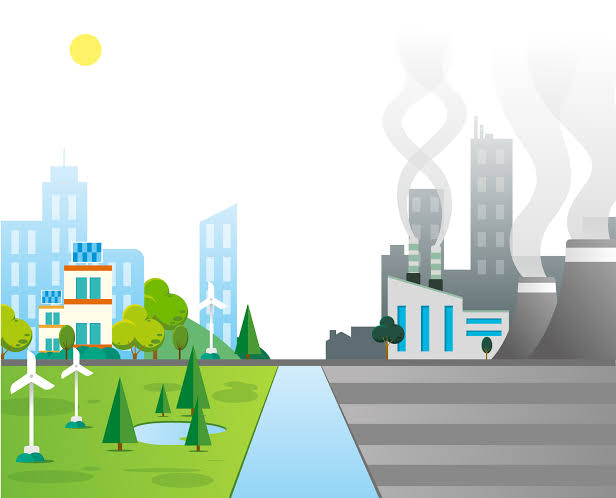
Large projects can create environmental effects that are difficult or expensive to address after construction begins. Environmental impact questions should therefore be investigated while alternatives can still be changed, rather than after the design, financing, and construction schedule have become fixed.
The required level of environmental review depends on the project and governing laws. Not every development requires the same study or process.
Understand What Environmental Review Is Trying to Find
Environmental studies may examine effects involving water, wetlands, air, traffic, noise, habitat, cultural resources, land use, hazardous materials, environmental justice considerations, or other project-specific issues.
For projects involving federal action, the National Environmental Policy Act may become relevant. EPA maintains current information about the federal process on its NEPA resource page, including environmental assessments and environmental impact statements.
The purpose of early review is not simply producing paperwork. It is identifying meaningful effects while alternatives remain practical.
Define the Project Before Ordering Studies
Consultants need a reasonably clear project description. Changing the footprint, access routes, utilities, operating capacity, or construction methods halfway through environmental analysis can require sections of the work to be revisited.
People conducting preliminary research may encounter legal content resources, but project-specific requirements should be confirmed with the responsible agency and applicable regulations.
Before commissioning a major study, determine which agency requires it, what scope is expected, and which technical disciplines are necessary.
| Study Area | Typical Question | Planning Value |
|---|---|---|
| Water resources | Will drainage change? | Guides site design |
| Habitat | Could species be affected? | Identifies constraints |
| Traffic | Will demand increase? | Shapes access planning |
| Noise | Could receptors be affected? | Supports mitigation |
Keep Sources and Project Evidence Organized
Environmental analysis can involve large amounts of material. Baseline surveys, technical calculations, maps, photographs, agency letters, public comments, design revisions, and consultant reports should be traceable.
General regional reporting outlets can show how environmental disputes are discussed publicly, but articles written about another development cannot establish the impacts of a new site.
The same distinction applies to local information pages. Background reading can help identify questions; technical conclusions need project-specific evidence.
Where Environmental Reviews Lose Value
A common failure is commissioning studies after the preferred design has effectively become untouchable. Environmental review works better when alternatives can genuinely influence decisions.
Another mistake is treating every study as a separate box. A road relocation can affect habitat, noise, drainage, and land disturbance simultaneously. Technical teams need enough coordination to recognize those connections.
Using old baseline information without checking whether conditions have changed can also weaken the analysis.
When Outside Guidance May Be Necessary
Consult the responsible agency or qualified professionals when the project involves major federal approvals, extensive land disturbance, sensitive environmental resources, substantial public controversy, complicated alternatives, or uncertain study requirements.
Environmental consultants can address technical disciplines, while attorneys experienced with the relevant review process can help interpret procedural obligations. Early agency scoping can be particularly useful before substantial consulting costs are committed.
Frequently Asked Questions
Does every major construction project need an environmental impact statement?
No. The required process depends on the laws, agency involvement, location, expected impacts, and project type. An environmental impact statement is only one form of environmental review.
Can a project design change after environmental studies begin?
Yes, but material changes may require portions of the analysis to be updated so that the evaluated project matches what is actually proposed.
Are environmental studies only needed for government projects?
No. Private development can also face environmental studies through permitting, land-use approval, financing, or federal and state regulatory processes.
Study Impacts While Choices Remain Open
Environmental analysis has the greatest practical value before the project becomes difficult to change. Define the proposal carefully, identify the responsible agencies, agree on the study scope, and keep technical findings connected to design decisions.
Completing the right work early can reduce the chance that an overlooked environmental issue forces expensive redesign during later permitting or construction.
This article provides general information and is not a substitute for legal or professional advice concerning a specific environmental review.