
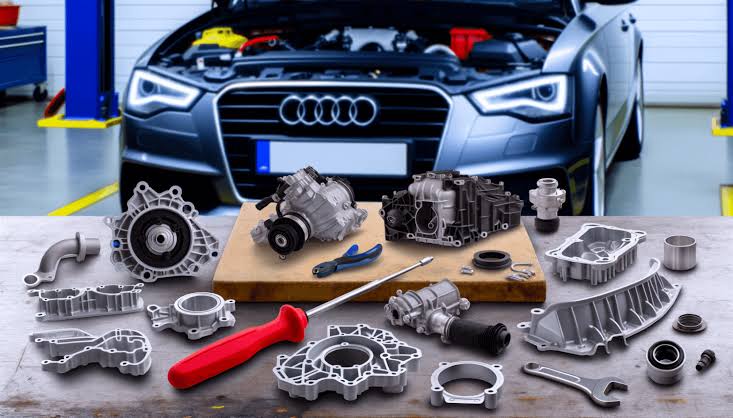
Replacement components can become one of the largest costs of keeping an older vehicle on the road. Expensive replacement parts deserve more comparison than simply choosing the cheapest listing. Fitment, expected service life, warranty terms, installation requirements, and supplier reliability can matter as much as the purchase price.
Start With Exact Part Identification
Many vehicles use different components across model years, engines, transmissions, trim levels, or production dates. A part that looks identical in a photo may not fit correctly.
Use the vehicle identification information and the original component number when possible. If uncertainty remains, confirm compatibility before ordering.
Automotive-focused technical vehicle resources can be useful for building broader knowledge about components, but exact fitment should still be verified against reliable catalog information for the specific vehicle.
Avoid Ordering by Appearance Alone
Two sensors, filters, switches, or suspension components can look nearly identical while using different connectors or specifications.
Returning the wrong component wastes time and may add shipping or restocking costs. Proper identification is one of the easiest ways to avoid turning a repair into a more expensive project.
Compare Different Part Categories
Owners often encounter original-equipment, aftermarket, remanufactured, rebuilt, and used parts. Each category can make sense in certain situations.
Original-equipment components may provide predictable fitment but can cost more. Quality aftermarket parts may offer better value, while used components can be economical for some non-wear items.
People maintaining a home workshop may encounter useful garage maintenance discussions while planning repairs. The key is separating general repair information from the exact specifications required for a particular part.
| Part Choice | Potential Advantage | Possible Tradeoff |
|---|---|---|
| OEM | Familiar fit and specification | Often higher price |
| Aftermarket | Wide price selection | Quality varies |
| Remanufactured | Lower cost in some cases | Depends on rebuilder |
| Used | Budget-friendly for select parts | Unknown remaining life |
Consider Installation Before Buying
A cheap component may stop being cheap if installation requires extensive labor. Some parts sit behind other assemblies, require programming, or need special tools.
Ask whether related components should be inspected at the same time. Repeating several hours of labor because an inexpensive neighboring wear item was ignored can cost more than replacing both during the first repair.
Owners interested in vehicle customization and care should also distinguish appearance upgrades from repair needs. Spending on cosmetic parts while delaying a failing safety-related component can create the wrong priority.
Look Beyond the Purchase Price
Warranty coverage, return policies, shipping costs, and downtime should be considered before choosing a supplier.
For an inexpensive, easily accessible component, trying a lower-cost alternative may involve limited risk. For a labor-intensive repair, paying more for a well-supported component may reduce the chance of paying the labor charge twice.
Keep invoices and part numbers. Good records make future repairs easier and can help establish what was replaced and when.
Why Cheapest Can Become Most Expensive
The lowest price is tempting when repair bills are already high. The problem appears when poor fit, short service life, missing hardware, or premature failure creates a second repair.
That doesn’t mean the most expensive part is automatically superior. Price alone is a weak quality measure. Compare the manufacturer, specifications, warranty, intended application, and difficulty of replacement. The best value is usually the component that performs its job reliably without adding unnecessary cost.
Frequently Asked Questions
Are aftermarket car parts always lower quality?
No. Aftermarket quality ranges widely. Some components can be strong alternatives to original equipment, while others may emphasize low price. Brand reputation, specifications, warranty, and fitment matter.
When does buying a used car part make sense?
Used parts may be practical for certain body panels, interior pieces, brackets, housings, or other components where normal wear is limited. Critical wear and safety-related parts deserve more careful evaluation.
Should I replace related parts at the same time?
Sometimes. If several parts share the same labor-intensive location or have similar wear, combined replacement can reduce repeated labor. Unnecessary replacement, however, adds cost, so condition should guide the decision.
Buy for the Repair, Not the Price Tag
Expensive replacement parts require careful comparison because the invoice doesn’t end with the component price. Confirm fitment, weigh quality against installation difficulty, examine warranty terms, and consider the cost of doing the job twice. A cheaper component can be a smart purchase when its quality is suitable. The goal is dependable value, not automatically choosing either the lowest or highest price.