
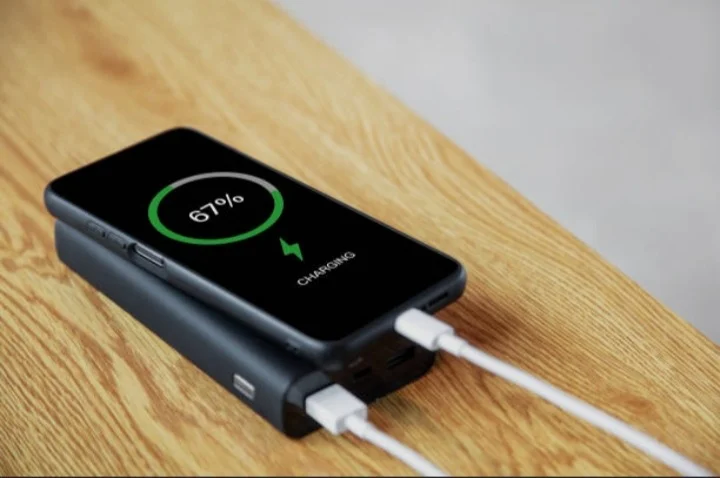
Buying a power bank becomes confusing when every product page treats more features as automatically better. The useful starting point is simpler: decide how the device will serve travel, commuting, events, emergency charging, and long days away from outlets, then compare only the specifications that affect those jobs. Price still matters, but so do comfort, support, compatibility, and the cost of owning the product for several years. Shoppers who want more background can consult broader charging resources, but the final decision should stay tied to real usage rather than hype.
Five Power Bank Brands to Review
A practical comparison begins with rated capacity, usable capacity, USB-C output, charging speed, device compatibility, size, and safety reputation. Those factors create a much clearer shortlist than sorting by the newest model or the biggest headline number. The five companies or buying channels below represent different approaches to the category. They are not ranked from best to worst; use them as reference points for matching features, support, and ownership tradeoffs to your own priorities.
1. Anker
Anker offers compact and high-capacity power banks across many wattage levels. It is worth comparing when you need a clear balance between portability and charging power, especially for USB-C phones, tablets, and some laptops.
2. Belkin
Belkin sells power banks and charging accessories with a strong emphasis on mainstream phone and device compatibility. It can be a practical choice for users who want simple accessories from an established electronics brand rather than maximum capacity at the lowest price.
3. UGREEN
UGREEN provides power banks, chargers, hubs, and cables across multiple power levels. It is useful for shoppers building a USB-C travel kit, though the bank’s output and supported protocols should be matched to the devices you actually carry.
4. Baseus
Baseus competes with many feature-rich portable chargers, including models with higher outputs and built-in displays on some products. Buyers should compare size, weight, certification, and warranty instead of focusing only on a large capacity number.
5. mophie
mophie has long focused on mobile power, including portable batteries and charging cases. It can suit buyers who prefer straightforward mobile accessories, but capacity, USB-C support, and charging speed should still be checked against newer devices.
Capacity Means Little If the Bank Stays at Home
Before paying, write down the three tasks the power bank must handle well and the two frustrations you most want to avoid. That simple list keeps optional extras from becoming false requirements. Use portable charging research as supplementary reading, then verify the exact model, warranty, compatibility, and return terms with the seller or manufacturer before checkout. If two options meet the same core need, prefer the one that is easier to own: simpler support, appropriate capacity, sensible accessories, and fewer compromises you will notice every day.
A second useful test is to compare the total setup rather than the product alone. Accessories, subscriptions, adapters, replacement parts, service plans, and future upgrades can change the real cost. Buying a slightly less ambitious device can be smarter if it avoids expensive add-ons or gives you a better fit for your routine.
Frequently Asked Questions
Why is usable power-bank capacity lower than the number on the box?
The rated battery capacity is measured at the cells’ internal voltage, while charging your device requires voltage conversion. Some energy is lost as heat and through electronics. That means the amount delivered to your phone or laptop will be lower than the raw rated capacity.
How large a power bank should I buy?
For a phone, a compact bank can be enough for one or two partial or full charges. Tablets and laptops need more capacity and higher output. Balance capacity against weight, because a huge battery you refuse to carry is less useful than a smaller one in your bag.
Can a power bank charge a laptop?
Some can, but only when the bank supports the USB-C Power Delivery wattage and voltage profile the laptop requires. Check both the laptop charger rating and the power bank’s maximum USB-C output. Small phone-focused banks may charge too slowly or not at all.
Carry the Power You Actually Need
The strongest buying decision is the one you can explain in plain language: what problem the product solves, which features matter, and which features you deliberately ignored. Buy enough portable power for your real day away from outlets, then stop before capacity turns into unnecessary weight. If you want another perspective before spending, mobile power guidance can support your comparison, but the last check should always be your own workload, budget, and tolerance for compromise.