
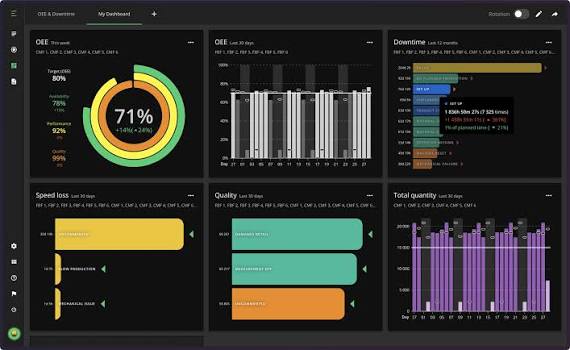
Total sales can look healthy while individual products or services perform very differently. Tracking revenue by product line gives managers a clearer picture of what customers are buying, where growth is occurring, and which parts of the company may need closer attention.
Break Total Revenue Into Useful Categories
Start with categories that reflect how the business actually operates. A retailer might separate product families, while an agency could track revenue by service type, package, or contract.
Avoid creating dozens of categories that produce more administrative work than insight. The SBA notes that businesses can gain useful information by separating and analyzing different segments of their operations. Its small-business finance guidance also addresses revenue, expenses, and financial reporting.
Keep Classification Consistent
A tracking system becomes unreliable when the same sale is categorized differently from month to month. Establish simple rules for assigning invoices or transactions.
Companies reviewing commercial publishing topics may encounter ideas for new offers or positioning, but internal revenue categories should remain stable enough to permit meaningful comparisons over time.
Look Beyond the Highest-Selling Product
High revenue does not automatically mean high profitability. One product can generate substantial sales while requiring expensive materials, fulfillment, customer support, or sales commissions.
Track revenue beside the direct costs that can reasonably be associated with each line. Broader promotional strategy material can influence how products are marketed, but management decisions should use internal sales and cost records whenever possible.
| Product Signal | What It Shows | Question to Ask |
|---|---|---|
| Revenue growth | Sales are increasing | Are margins holding? |
| Revenue decline | Demand may be weakening | Is the change temporary? |
| High sales, high costs | Volume may hide weak margins | What does each sale contribute? |
| Seasonal spikes | Demand changes by period | Is inventory aligned? |
Review Trends Instead of One Strong Month
Single-period results can mislead. Promotions, large contracts, holidays, bulk orders, or delayed invoices can temporarily distort product-line revenue.
Compare several periods and look for repeated patterns. Businesses using market development resources for broader commercial research should still judge product performance from consistent internal reporting rather than isolated external trends.
What Revenue Reports Can Hide
Revenue tracking becomes dangerous when managers treat sales as profit. A product line can lead the company in revenue while contributing little after direct costs.
Another common problem is ignoring discounts, refunds, returns, and credits. Gross sales may appear impressive until those adjustments are included. Product-line reporting works best when management understands exactly what each figure represents and uses the same definition from one reporting period to the next.
When Professional Review May Help
Seek qualified accounting or financial support when revenue recognition is complicated, contracts span multiple reporting periods, several entities are involved, or management cannot reconcile sales reports with financial statements.
Professional help may also be appropriate before making large investment, financing, tax, or restructuring decisions based on product-line results.
Frequently Asked Questions
How many product lines should a company track?
Use enough categories to support real decisions without making bookkeeping unnecessarily complex. Similar products can often be grouped if separate tracking would not change pricing, inventory, marketing, or investment decisions.
Is revenue by product more useful than total revenue?
The two measures answer different questions. Total revenue shows overall sales activity, while product-level revenue shows where those sales originate and makes changes within the business easier to identify.
Should service businesses track revenue by service type?
Often, yes. Separating consulting, maintenance, subscriptions, projects, or other services can reveal which offerings generate demand and whether the sales mix is changing.
Make Every Revenue Number Explain Something
A single sales total cannot tell management which part of the business is strengthening or weakening. Create a manageable set of product or service categories, apply them consistently, and review changes over time alongside relevant costs. Better revenue visibility helps turn sales reports from bookkeeping records into information that can support pricing, marketing, inventory, and investment decisions.
This article is for general informational purposes and is not a substitute for professional financial advice.